PEVOs: Let’s tell motorists to Slow Your Pace, Give Them Space
Updated on
May 6, 2026
Updated on
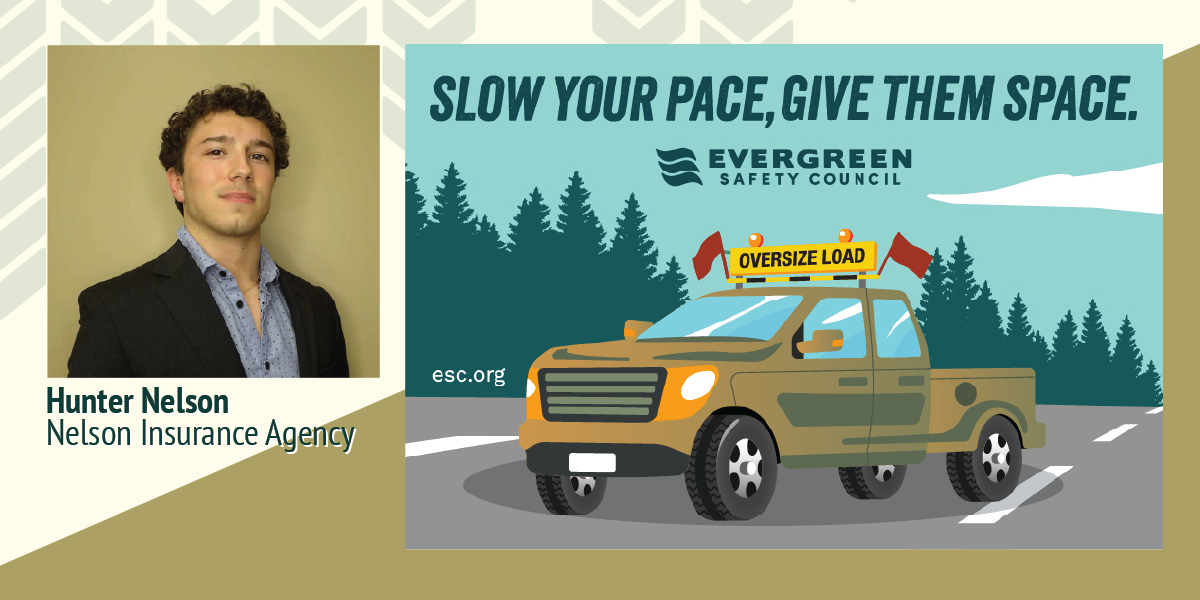
We sat down with Hunter Nelson of Nelson Insurance Agency, provider of commercial insurance for pilot car drivers, to talk about the risks associated with working as a PEVO, and what we can do to prevent incidents involving the motoring public.
ESC: You specialize in commercial trucking and pilot car insurance. What are some of the most common claims you see involving pilot cars?
Nelson: Auto liability is the big one: rear ends, sideswiping, accidents during lane closures. But one that catches people off guard is a professional liability claim, specifically when a routing decision goes wrong. If you lead a load under a bridge and it can't clear, that's on you.
ESC: What insurance policies do you need to protect yourself from these claims, and what is the difference between them?
Nelson: There are three common liability insurance policies. Auto liability is part of your commercial auto policy and covers accidents while you're driving. Professional liability covers the decisions you make on the job, like that routing call we talked about. General liability is more for situations outside your vehicle, think marketing, advertising, or if something happens at a job site.
ESC: What are some things that pilot car operators and load drivers can do to help prevent those claims?
Nelson: Communication before the move starts is everything. Both parties need to be on the same page about the route, known hazards, and the game plan before anyone rolls. With your most common claims being normal accidents, dashcams are highly recommended. People will sue a business any chance they get and claim it's your fault; have proof it isn't.
ESC: From your perspective, what are some of the biggest risks for the motoring public when they encounter Oversize Loads and pilot cars out there on the road?
Nelson: These trucks have a lot of blind spots on loads like this, and people just may not think about that in the moment. As a motorist, you've got pilot cars and a massive load taking up a big chunk of the road, and if you try to rush past or squeeze by, you're putting yourself in a bad spot. Just be patient, give the Oversize Load team room, and understand they can't always see you as well as you think they can.
ESC: Our Slow Your Pace, Give Them Space campaign is aimed at helping drivers be more mindful of Oversize Load teams. What specific advice would you add to that message for the average driver?
Nelson: Slow down before you think you need to, not when you're already on top of them. And honestly, just stay back and let the pilot car do its job. Sometimes drivers don't think about the fact the pilot car is essentially managing traffic for you. If you crowd it, you're taking away its ability to do that safely.
ESC: We're hoping that the Slow Your Pace message will help drivers slow down, but in the meantime, what can pilot car operators do to limit their own risk when the drivers around them aren't paying attention?
Nelson: Make sure your lights, flags, and signage are dialed in every single time. Stay on the radio with your team because as the rear pilot car, your view is almost completely blocked by the load, so communication is everything. Operate like not everyone around you is going to do the right thing, because sometimes they won't.
PEVOs can help spread the word about Oversize Load safety! Visit our Slow Your Pace page to learn more about our messaging and get images and videos to share.
Share this article
Evergreen Safety Council is proud to be endorsed by the American Association of Safety Councils and Specialized Carriers and Rigging Association.
We offer online, in-person, and private group training for each of our programs.
Choose an option below to get help with a class or a certification.
Need a new certification card? Fill out this form to request a replacement.
Download your materials, get help with your tech, or find out what you need to complete before the day of class.
Minimize downtime, disruption, and expense by having one of our experienced instructors train your staff, at your facility.
View our growing library of informative safety articles.
You have questions, we have answers. View commonly asked questions here.
Access your account page on our registration system or training portal.
Since 1932, we’ve been empowering people to achieve their potential by training them to stay safe on the road and on the job.